
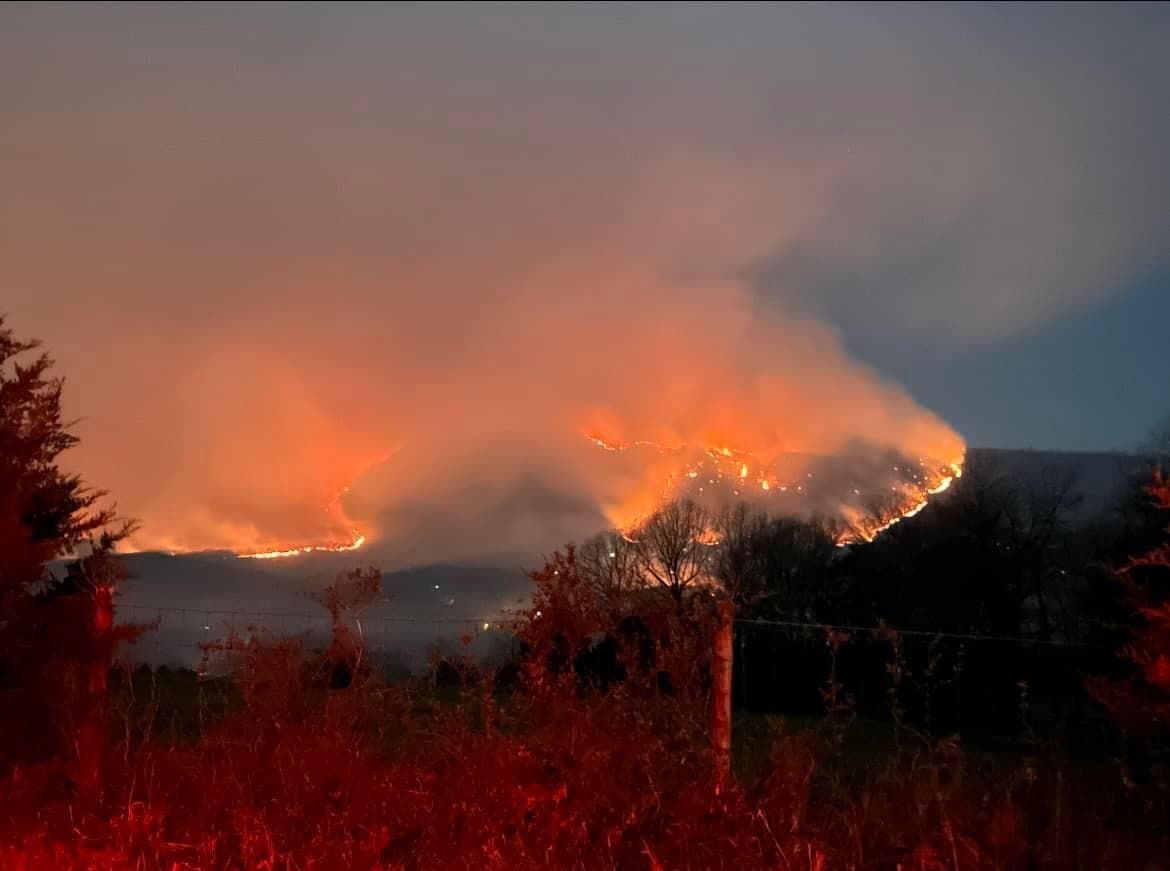
The American Heart Association has issued a critical warning about the elevated risk of heart disease resulting from exposure to wildfire smoke originating from Canada and moving into the United States. This smoke contains fine particulate matter that poses serious cardiovascular threats, affecting populations far beyond the immediate fire zones. Research presented at the American Heart Association's Scientific Sessions 2023 demonstrated a strong correlation between wildfire smoke exposure and same-day hospitalizations for unstable chest pain in Utah, highlighting the immediate nature of the health threat.
A comprehensive 2020 study published in the Journal of the American Heart Association revealed alarming statistics about the cardiovascular impact of wildfire smoke. The research found that exposure to heavy smoke during wildfire events could increase the risk of out-of-hospital cardiac arrests by up to 70%. This elevated risk disproportionately affected men and women aged 35-64 and communities with lower socioeconomic status, indicating significant health disparities in vulnerability to smoke-related cardiovascular events.
Additional findings from the same research team showed that wildfire smoke exposure was associated with increased emergency room visits for various cardiovascular conditions. These included heart attacks and ischemic heart disease, with particularly pronounced effects on adults aged 65 and older. The research underscores that wildfire smoke represents a widespread public health concern that extends well beyond respiratory issues to include serious cardiovascular complications.
Dr. Keith Churchwell, American Heart Association volunteer president, emphasized the importance of public awareness regarding heart attack and stroke symptoms. He recommended monitoring air quality through resources like airnow.gov and implementing protective measures including staying indoors, using high-efficiency air filters, avoiding physical exertion during poor air quality periods, and maintaining proper hydration to minimize smoke exposure. The American Heart Association's 2020 scientific statement on air pollution exposure documented that portable air cleaners can reduce indoor particulate matter by 50-60%, providing a cost-effective strategy to decrease cardiopulmonary risks associated with wildfire smoke. Dr. Churchwell urged the public to take the threat of wildfire smoke seriously regardless of proximity to active fires and to adopt proactive health protection measures.